Artificial intelligence has changed the way people create graphics, illustrations, product visuals, advertisements, and digital assets. What once required expensive software and hours of manual design work can now be produced much faster with AI-powered creative platforms.
One of the tools worth exploring in 2026 is Recraft AI.
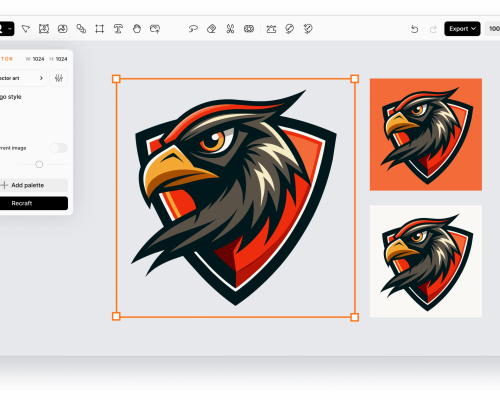
Recraft is designed around professional visual creation rather than simply generating random AI pictures. Its platform supports AI image generation, vector generation, photo editing, mockups, background removal, upscaling, vectorization, and other design workflows. Its current Studio also brings multiple AI models into one workspace.
That makes Recraft interesting for freelancers, creators, ecommerce sellers, marketers, print-on-demand businesses, agencies, and entrepreneurs.
But the important question is not simply, “Can Recraft generate images?”
The more useful question is:
How can you use Recraft AI to create something businesses or customers are willing to pay for?
There are several possible answers.
You can create social-media graphics, product mockups, advertising creatives, illustrations, vector assets, packaging concepts, thumbnails, brand assets, presentation visuals, and more.
This guide explains 12 practical ways to make money online with Recraft AI in 2026, along with pricing considerations, commercial-use issues, customer acquisition strategies, mistakes to avoid, and a practical 30-day plan.
What Is Recraft AI?
Recraft AI is an AI-powered creative platform focused on generating and editing professional visual content.
Instead of being limited to basic text-to-image generation, Recraft provides tools for different stages of a design workflow.
You can generate raster images, create vector graphics, edit photographs, remove backgrounds, upscale images, vectorize existing graphics, and create product mockups.
Its current image-generation offering includes Recraft V4 and V4.1 models, including vector-oriented models designed for scalable graphics. Recraft says its V4 models can generate raster images and vectors, while its platform also supports other leading models.
One particularly useful capability is vector generation.
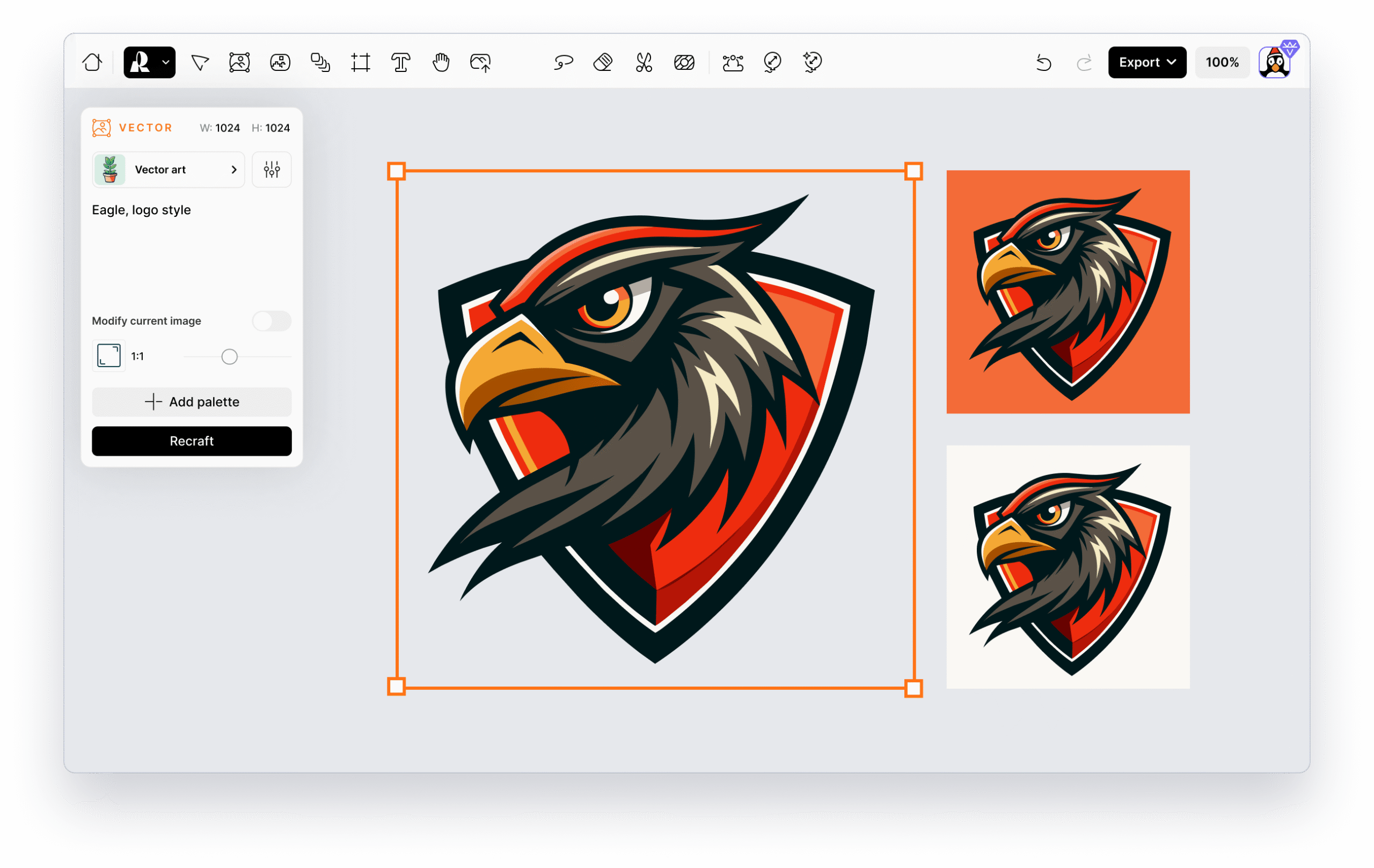
Traditional AI image generators generally produce raster images made from pixels. Recraft can generate actual SVG vector graphics that can be edited and scaled for uses such as logos, icons, posters, advertisements, and illustrations.
That opens up more commercial possibilities.
Can You Actually Make Money With Recraft AI?
Yes, but Recraft itself does not pay you simply for generating images.
The money comes from using the tool to produce valuable services or products.
For example, you could use Recraft to create:
- Social-media designs
- Ecommerce graphics
- Product mockups
- Advertising creatives
- Vector illustrations
- Printable designs
- Brand graphics
- YouTube thumbnails
- Website visuals
- Marketing assets
- Custom illustrations
- Design packages
The business model is straightforward.
Recraft AI → create useful asset → package the asset as a service/product → find customers → get paid.
Your advantage is not merely having access to AI.
Your advantage comes from understanding what a customer needs and delivering a finished result.
1. Make Money Creating Social Media Graphics
Small businesses need social-media content constantly.
Restaurants need promotional posts.
Gyms need fitness graphics.
Real-estate agents need property posts.
Local stores need sale announcements.
Coaches need educational graphics.
Online businesses need promotional creatives.
Many of these businesses cannot justify hiring a full-time designer.
This creates an opportunity for a freelancer using Recraft.
You can create Instagram posts, promotional banners, quote graphics, announcement designs, event graphics, product promotions, and other visual content.
Instead of selling one image, consider selling a monthly package.
For example:
Starter package
10 social-media graphics per month.
Growth package
20 graphics plus promotional variations.
Business package
30–40 graphics with different formats for Instagram, Facebook, LinkedIn, and advertising.
The exact price should depend on your market, quality, turnaround time, revisions, and whether you provide copywriting and strategy as well.
The important change in mindset is this:
Don’t sell “AI images.”
Sell social-media content production.
A client generally cares about the finished marketing asset, not which button you clicked to create it.
2. Create Ecommerce Product Images
Ecommerce businesses constantly need better product visuals.
A seller might have a basic product photograph but need:
- Lifestyle backgrounds
- Promotional banners
- Product advertisements
- Seasonal visuals
- Website hero images
- Social-media creatives
- Marketplace graphics
- Product comparison visuals
Recraft can help generate and edit visual assets for these workflows.
Its mockup functionality can also place designs onto products and surfaces such as apparel, packaging, posters, devices, and other objects.
This can become a specialized service.
Instead of advertising yourself as an “AI artist,” position yourself as an:
Ecommerce Creative Designer
Your offer could include:
“Give me your product photos and I will create 10 conversion-focused promotional creatives.”
That is much easier for a business owner to understand.
3. Sell AI Product Mockup Services
Product mockups are another strong opportunity.
Imagine a clothing brand that wants to launch a new collection.
It may need visuals showing its designs on:
- T-shirts
- Hoodies
- Caps
- Bags
- Posters
- Packaging
- Mugs
- Devices
Recraft’s mockup generator is specifically designed for this type of workflow. It supports apparel, print products, digital screens, packaging, signage, and other product presentations.
You can offer a simple service:
“I will create professional product mockups for your online store.”
Your customers could include:
- Shopify sellers
- Etsy sellers
- Print-on-demand businesses
- Amazon sellers
- Local clothing brands
- Graphic designers
- Marketing agencies
Instead of charging per hour, you can package the service by number of mockups.
For example, a package could include 10, 25, or 50 mockups.
4. Create Vector Graphics for Businesses
This is one of the more interesting opportunities with Recraft.
Businesses often need scalable graphics.
For example:
- Icons
- Illustrations
- Badges
- Simple graphics
- Infographics
- Decorative elements
- Website illustrations
- Packaging graphics
Recraft’s vector generator is designed to create SVG graphics from prompts, and the platform has also introduced a vector editor for directly adjusting generated vector paths.
This means you can potentially move beyond AI-generated pictures into editable design assets.
A simple business model could be:
Generate → refine → edit → export SVG → deliver to client.
The final refinement stage matters.
Do not blindly deliver the first AI output.
Check shapes, typography, alignment, proportions, spelling, and brand consistency before sending the file.
5. Offer Logo Concept Services
Businesses frequently need logo ideas when launching a new brand.
Recraft can help generate logo concepts, symbols, icons, and visual directions.
However, there is an important distinction.
You should not automatically present an AI-generated logo as a legally protected trademark.
Instead, you can offer a logo concept and brand-direction service.
For example, create:
- 5 visual directions
- 3 color approaches
- Icon concepts
- Typography suggestions
- Social profile versions
- Basic brand applications
You can then refine the selected concept into a usable asset.
For businesses that require formal trademark protection, professional legal and trademark review may still be appropriate.
Your value is helping the customer move from a vague idea to a coherent visual identity.
6. Make Money With YouTube Thumbnail Design
YouTube creators need thumbnails constantly.
A successful channel may require dozens of thumbnail variations every month.
You can use Recraft to generate backgrounds, characters, visual concepts, objects, and graphic elements, then combine them into finished thumbnail designs.
Your service could include:
- Thumbnail concept
- Background generation
- Main visual
- Text layout
- Multiple variations
- A/B thumbnail concepts
Instead of offering “AI-generated thumbnails,” sell:
YouTube Thumbnail Design Service
This positioning makes the service easier to understand.
You can target:
- Finance creators
- Tech channels
- Gaming channels
- Automotive channels
- Education creators
- Podcasts
- Business channels
- News commentary channels
The best niche is often one where you understand the audience and visual style.
7. Create Advertising Creatives for Small Businesses
Paid advertising requires creative variations.
A company running Meta, Google, or other advertising campaigns may need multiple designs for testing.
You can create:
- Square ads
- Story ads
- Promotional banners
- Product advertisements
- Seasonal campaigns
- Sale graphics
- Lead-generation creatives
Recraft itself lists advertisements among its use cases.
The business opportunity is larger than selling individual images.
You can sell creative testing packages.
For example:
“10 advertising concepts with multiple visual variations.”
The customer can then test different creative directions.
If you also understand digital marketing, you can make your service more valuable by discussing audience, offer, CTA, and campaign objectives rather than focusing only on design.
8. Sell Printable Designs
Another potential model is selling digital designs.
Examples include:
- Wall art
- Posters
- Quote prints
- Decorative illustrations
- Planner graphics
- Educational posters
- Printable worksheets
- Activity sheets
- Invitations
- Digital decorations
The important part is creating original, useful products rather than uploading thousands of generic AI images.
For example, instead of selling:
“Abstract AI Art Pack”
you could create:
“50 Printable Minimalist Office Posters for Home Workspaces.”
The second product has a much clearer customer and use case.
You can sell digital products through marketplaces, your own website, or other suitable platforms.
Always check the current marketplace’s rules regarding AI-generated content before listing products.
9. Create Designs for Print-on-Demand Businesses
Print-on-demand is another possible Recraft business model.
You can create designs for:
- T-shirts
- Hoodies
- Posters
- Tote bags
- Mugs
- Stickers
- Phone cases
- Wall decorations
Recraft’s mockup workflow can help you show how a design might appear on an actual product.
There are two different ways to make money here.
Sell designs as a service
You create designs for existing print-on-demand sellers.
Sell your own products
You create designs and list finished products through a print-on-demand provider.
The second option can take longer because you also need to handle product selection, storefront setup, marketing, customer service, and sales.
For beginners, providing design services can be a simpler starting point.
10. Create Website Graphics for Businesses
Websites need visual assets.
A business website might require:
- Hero graphics
- Blog illustrations
- Feature illustrations
- Icons
- Background graphics
- Promotional banners
- Product visuals
- Section illustrations
You can offer a complete website graphics package.
For example:
“20 custom website graphics for your new business website.”
You can work with web designers, developers, agencies, and direct clients.
This can become especially useful when you combine Recraft with basic knowledge of website design.
You don’t need to build the entire website.
You can become the person responsible for the visual asset layer.
11. Build an AI Design Subscription Service
Once you have multiple customers, consider moving from one-off projects to recurring revenue.
Instead of charging for every graphic individually, create a monthly design subscription.
For example:
Basic
10 graphics per month.
Professional
25 graphics per month.
Agency
50+ graphics and priority delivery.
The exact pricing should depend on your market and workload.
The advantage is predictability.
A customer who needs content every month can become significantly more valuable than someone who buys one logo and disappears.
You also become more efficient because you learn the customer’s:
- Brand colors
- Typography
- Visual style
- Audience
- Product range
- Preferred layouts
- Content requirements
That knowledge makes future production faster.
12. Build a Recraft-Powered Design Agency
The largest opportunity is not necessarily freelancing.
You can build a small creative agency around AI-assisted production.
Imagine offering:
AI Creative Studio for Small Businesses
Services could include:
- Social-media graphics
- Ad creatives
- Product visuals
- Mockups
- Website graphics
- YouTube thumbnails
- Promotional banners
- Brand illustrations
- Ecommerce creatives
Recraft becomes part of your production system.
You can then combine it with other tools for copywriting, video editing, scheduling, analytics, and project management.
The customer doesn’t need to know your entire technology stack.
They care about the finished result.
This is the same principle used by many modern service businesses:
Technology improves your production efficiency, while the client pays for the outcome.
How Much Can You Charge for Recraft Services?
There is no universal Recraft income figure.
Your earnings depend on:
- Skill level
- Quality
- Niche
- Customer type
- Geography
- Portfolio
- Sales ability
- Turnaround time
- Revisions
- Service complexity
- Recurring contracts
A beginner might start with smaller projects.
An experienced freelancer could sell larger packages.
For example, you could structure your services around deliverables rather than hours.
| Service | Possible Package Structure |
|---|---|
| Social graphics | 10, 20 or 30 designs |
| Product mockups | 5, 10 or 25 mockups |
| YouTube thumbnails | 5, 10 or 20 thumbnails |
| Ecommerce creatives | Monthly creative package |
| Vector graphics | Per asset or bundle |
| Brand graphics | Project package |
| Website graphics | Fixed number of assets |
| Ad creatives | Creative testing package |
These are packaging examples, not guaranteed market prices.
Start with a manageable workload and increase pricing as your portfolio, speed, and client results improve.
Recraft AI Pricing and Commercial Rights
This is an important part of any money-making strategy.
According to Recraft’s current terms, Free Tier Assets cannot be used commercially, while paid subscriptions provide commercial rights under the applicable terms.
Recraft’s current pricing page states that paid plans grant users ownership and commercial rights for images generated while subscribed. It also explains that subscription credits reset each billing cycle, while purchased top-up credits do not expire.
Recraft currently offers multiple subscription levels, and exact pricing can change.
Therefore, before selling client work, check the current plan terms rather than relying on an old blog post or YouTube video.
This is particularly important when you’re producing:
- Logos
- Product packaging
- Advertising materials
- Client branding
- Commercial illustrations
- Print-on-demand designs
Commercial rights and intellectual-property protection are not exactly the same thing.
Having permission to commercially use an AI-generated asset does not automatically mean that every element is guaranteed to qualify for copyright or trademark protection in every jurisdiction.
For important commercial work, perform appropriate legal and originality checks.
Recraft’s API Creates Another Business Opportunity
Recraft also provides an API.
Its current API supports programmatic access to image and vector generation, editing, background removal, inpainting, outpainting, batch jobs, and asynchronous processing.
This creates opportunities for technically skilled entrepreneurs.
You could build a niche application around a specific visual workflow.
For example:
Ecommerce Creative Generator
A merchant uploads a product photo.
Your application generates:
- Lifestyle backgrounds
- Promotional banners
- Social graphics
- Product cards
- Marketplace images
The customer pays your application.
Recraft operates behind the scenes.
This is more advanced than freelancing because you’re building a product rather than selling your time.
How to Find Customers
Having an AI tool isn’t enough.
You need customers.
Start with one niche.
For example:
Indian ecommerce sellers
Then build a simple offer:
“I create 15 professional product advertising creatives from your existing product photos.”
Create five sample projects.
They don’t necessarily need to be paid projects.
You can create fictional examples for your portfolio.
Then contact potential customers.
Good prospects might include:
- Small ecommerce brands
- Clothing businesses
- Local restaurants
- Fitness businesses
- Coaches
- Real-estate professionals
- YouTube creators
- Marketing agencies
Don’t send generic messages to hundreds of people.
Instead, identify something specific that could be improved.
For example:
“Your products have good photography, but your social creatives could be more consistent. I created a sample promotional concept for one of your products.”
That is much more compelling than:
“Hello, I am an AI designer. Do you need graphics?”
Create a Portfolio Before Selling
Your portfolio is one of your most important assets.
Create examples in one niche.
Suppose you want ecommerce clients.
Create:
- 5 product ads
- 5 product mockups
- 5 social posts
- 5 website banners
Now you have 20 examples.
If you want YouTube clients, create:
- 10 thumbnails
- 5 channel banners
- 5 video promotional graphics
A focused portfolio communicates your specialization much faster than a random collection of AI artwork.
Don’t Sell AI. Sell the Outcome.
This is one of the biggest lessons when monetizing AI tools.
A customer usually doesn’t care that you used Recraft.
They care about:
“Can you give me the graphics I need?”
Compare these two offers.
Weak positioning
“I create AI images using Recraft.”
Stronger positioning
“I create ecommerce product creatives that are ready for social media and advertising.”
The second offer communicates a business outcome.
That is what customers pay for.
How to Make Your Recraft Work Look Less Like AI
AI-generated content can sometimes look generic.
Your job is to add human direction.
Start with a clear brief.
Define:
- Target audience
- Brand personality
- Colors
- Composition
- Lighting
- Typography
- Product placement
- Desired emotion
- Platform dimensions
Then generate multiple concepts.
Don’t accept the first result automatically.
Edit the output.
Use vector editing where appropriate.
Correct typography.
Fix spacing.
Remove strange details.
Check hands, objects, logos, text, reflections, and proportions.
The final product should look like a designed asset, not an untouched AI generation.
A Simple Recraft Workflow for Freelancers
A practical workflow could look like this:
Step 1: Get the brief
Ask the customer what they need and where the design will be used.
Step 2: Collect brand assets
Request logos, colors, product photos, fonts, and existing examples.
Step 3: Create concepts
Generate several visual directions.
Step 4: Select the strongest direction
Choose the concept that best fits the brief.
Step 5: Refine
Adjust composition, colors, typography, objects, and other details.
Step 6: Produce variations
Create platform-specific versions.
Step 7: Quality check
Check spelling, dimensions, resolution, alignment, and brand consistency.
Step 8: Deliver
Provide the required files in the requested formats.
This workflow transforms AI generation into a professional service.
How to Save Money on AI Generation Costs
AI tools can become expensive if you generate randomly.
Use a structured workflow.
Start with lower-cost iterations.
Once you have a strong concept, move toward final-quality generation.
Keep prompts organized.
Reuse successful prompt structures.
Create reusable brand templates.
Avoid generating hundreds of unnecessary variations.
Recraft’s pricing information notes that different operations can consume different amounts of credits, so understanding your workflow’s credit usage can help control costs.
Your goal should be:
Maximum client value per credit consumed.
Can You Use Recraft for Commercial Client Work?
Paid Recraft plans currently provide commercial rights according to Recraft’s published pricing and terms. Free-tier assets are subject to non-commercial restrictions under the current terms.
Still, commercial projects require more than simply checking whether a tool permits commercial use.
You should also consider:
- Client ownership requirements
- Trademark concerns
- Third-party references
- Copyright issues
- Brand similarity
- Marketplace rules
- Stock-site policies
- Customer contracts
For example, if a client asks you to recreate a competitor’s exact logo, don’t simply generate something extremely similar and deliver it as an original brand asset.
Use AI as a production tool while maintaining professional judgment.
30-Day Plan to Start Making Money With Recraft AI
You don’t need to build a huge business on day one.
Start with a simple experiment.
Days 1–5: Learn Recraft
Explore:
- Image generation
- Vector generation
- Editing
- Mockups
- Background removal
- Upscaling
- Vector editing
Create different types of assets.
Days 6–10: Choose One Niche
Pick one market.
For example:
Ecommerce brands
Don’t try to sell everything.
Days 11–15: Build Your Portfolio
Create 15–20 high-quality examples.
Make them look like real client projects.
Days 16–20: Create Your Offer
Develop one simple service.
For example:
20 ecommerce creatives per month.
Define:
- Deliverables
- Turnaround time
- Number of revisions
- File formats
- Pricing
Days 21–25: Start Outreach
Contact potential customers through appropriate channels.
Personalize each message.
Show examples relevant to their business.
Days 26–30: Improve and Repeat
Review responses.
Identify which service receives the most interest.
Improve your portfolio.
Adjust your offer.
Continue outreach.
The goal of the first month isn’t necessarily huge revenue.
The goal is proving that someone is willing to pay for the result you can produce.
Common Mistakes to Avoid
Generating generic AI art
Beautiful images aren’t automatically valuable.
Create assets that solve a specific business problem.
Competing only on cheap prices
There will always be someone willing to charge less.
Compete through specialization, quality, speed, communication, and business understanding.
Ignoring commercial terms
Don’t use free-tier assets for paid client work when the current terms prohibit commercial use.
Delivering unedited AI output
AI generation is not the same as finished design.
Review everything.
Offering too many services
A new freelancer can become difficult to understand if the service list contains 30 different things.
Start narrow.
Promising unrealistic results
Don’t tell clients that AI will automatically increase their sales.
Design can support marketing, but performance depends on many factors.
Ignoring client revisions
Define revision limits before beginning the project.
Depending on one AI tool
AI platforms change rapidly.
Learn transferable skills such as composition, typography, branding, marketing, and visual communication.
Recraft AI vs Selling AI-Generated Images
There is a major difference between these approaches.
Model 1: Sell images
You create generic artwork and attempt to sell individual files.
This can be highly competitive.
Model 2: Sell design services
You use Recraft to solve a customer’s specific problem.
This gives you more opportunities to differentiate.
For most beginners, the second model can be easier to understand.
Instead of asking:
“How can I sell AI images?”
ask:
“What business problem can I solve using AI-generated and AI-assisted design?”
That question leads to better business ideas.
Five Recraft Businesses You Could Start
If you want a simple shortlist, consider these models.
Recraft Ecommerce Studio
Create product graphics, ads, mockups, and website visuals.
Recraft Social Content Agency
Produce monthly social-media graphics for businesses.
Recraft Thumbnail Studio
Create thumbnails and channel graphics for creators.
Recraft Vector Design Service
Create editable vector illustrations, icons, and graphics.
Recraft Creative Subscription
Provide a fixed number of graphics every month to businesses.
Each model can start as a solo freelance service and potentially grow into an agency.
How to Scale Beyond Freelancing
Once you have recurring customers, look for repetitive work.
Suppose you discover that five ecommerce clients all need similar assets every month.
You can create templates.
Then develop standard operating procedures.
Then outsource some non-AI tasks.
Then introduce quality-control processes.
Eventually, you can build a small creative production business.
The technology changes.
The underlying business model remains:
Acquire customer → understand requirement → produce asset → review → deliver → retain customer.
The Biggest Opportunity With Recraft AI
The most interesting part of Recraft isn’t simply that it can create attractive images.
Its combination of images, vectors, editing, mockups, and production-oriented workflows makes it potentially useful for businesses that need visual assets repeatedly.
Its vector capabilities are particularly relevant because editable SVG graphics can be used across websites, print materials, advertising, and branding workflows.
Recent 2026 updates have also expanded Recraft Studio with features such as vector editing, multiple-generation workflows, model comparison, and additional image and video models.
That makes it more useful to think of Recraft as part of a creative production workflow rather than simply another AI image generator.
Final Thoughts
Recraft AI can become a useful tool for making money online, but the tool itself is not the business.
The business is the problem you solve with it.
You can use Recraft to create social-media graphics, ecommerce creatives, product mockups, vector illustrations, website visuals, advertising assets, thumbnails, printable designs, and other commercial creative work.
For beginners, a good approach is to choose one niche and one service.
For example:
“I create monthly ecommerce graphics for small online brands.”
Build a portfolio.
Create a clear package.
Find potential customers.
Deliver high-quality work.
Collect testimonials and examples.
Then gradually increase your prices and move toward recurring contracts.
The long-term opportunity isn’t simply to become someone who knows how to generate AI images.
It is to become someone who can use AI tools to produce valuable creative work faster, more consistently, and more efficiently.
That is where Recraft AI can become a business tool rather than just another AI application.